Автоматизация и CRM для производителя SIP-панелей в Великобритании
Клиент: irsipconstruction ·
Великобритания ·
4 мая 2026 г.
Обновлено: 4 мая 2026 г.
Производство и продажа SIP-панелей и садовых комнат (garden rooms) в Великобритании. Клиент — UK производитель, работает как с kit-самостроем, так и под ключ.
Разработка сайт
Был разработан многостраничный сайт с разделами: Garden Rooms, SIP Panels, Why Irsip, What's Included, FAQs, How It Works, Contacts
Ключевые решения на сайте:
Фиксированные цены + 10 готовых моделей
Форма заявки с полями (имя, email, телефон, постоиндекс, планируемое использование, сроки)
После запуска сайта мы решили протестировать рекламные креативы.
Первым шагом стал статичный баннер — изображение, сгенерированное с помощью ИИ и доработанное вручную в Photoshop. Картинка не дала результата: заявок не было.
Тогда мы пошли дальше и создали видеоролик с помощью ИИ. В нём простым языком рассказывается о продукте: что из SIP-панелей можно быстро и легко построить полноценную садовую комнату прямо на заднем дворе своего дома. Никакой стройки на месяцы — только готовое решение.
За первую неделю работы рекламы при бюджете $10 в день пришло 16 заявок.
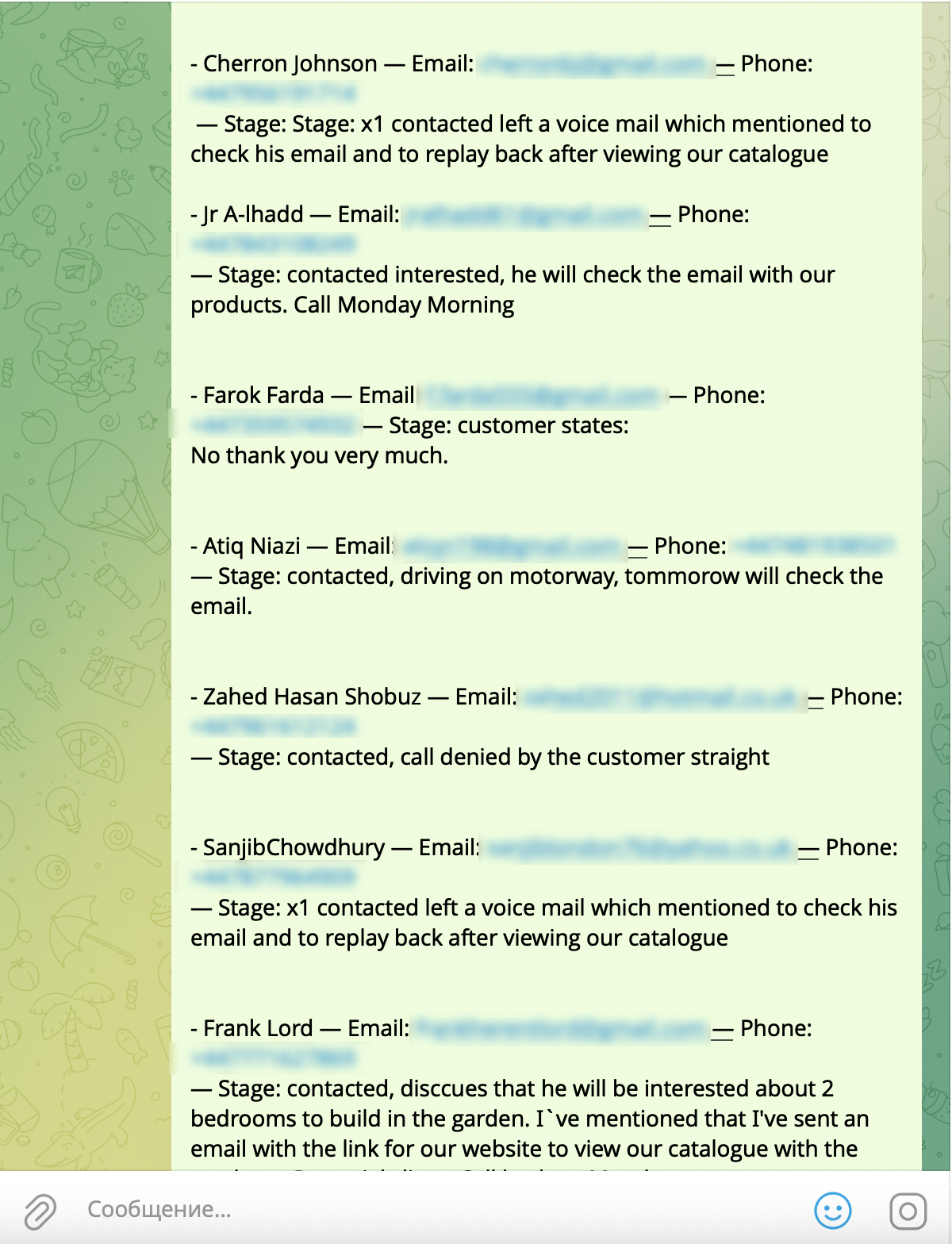
Менеджер сразу приступил к обработке: прозванивал каждого, отправлял каталог на почту, фиксировал статус. Часть людей не взяла трубку, часть отказалась — это нормальная воронка.
Но среди них оказались и реально заинтересованные клиенты: один хотел садовую комнату с открытым пространством в Манчестере, другой обсуждал строительство двух спален в саду, ещё несколько запросили каталог и договорились на перезвон.
$70 за неделю. 16 заявок. Несколько горячих лидов в работе.
Стоимость лида вышла около $4.4 — и это только старт, без какой-либо оптимизации рекламы.
16заявок за 1 неделю
$70бюджет за неделю
$4.4стоимость лида
$10/деньрекламный бюджет
Поскольку первый ролик показал хорошие результаты, мы решили создать второй — но уже с другим подходом.
На этот раз в основе лежала история реального человека. Мы продумали сценарий с нуля: хук, который цепляет с первых секунд, нарратив от первого лица, естественный путь от проблемы к решению. Под сценарий сгенерировали визуальный ряд с помощью ИИ, затем собрали всё в готовый ролик.
Сценарий строился так: зритель с первого кадра узнаёт себя — работа из спальни, звонки на кухне, постоянное пересечение с семьёй. Затем простое решение: фиксированные цены, 10 моделей, монтаж за несколько дней, не нужно разрешение на строительство. Финал — призыв связаться и получить каталог.
Весь ролик — 50 секунд. Никакого пафоса, только узнаваемая ситуация и конкретное предложение.
Реклама в Facebook
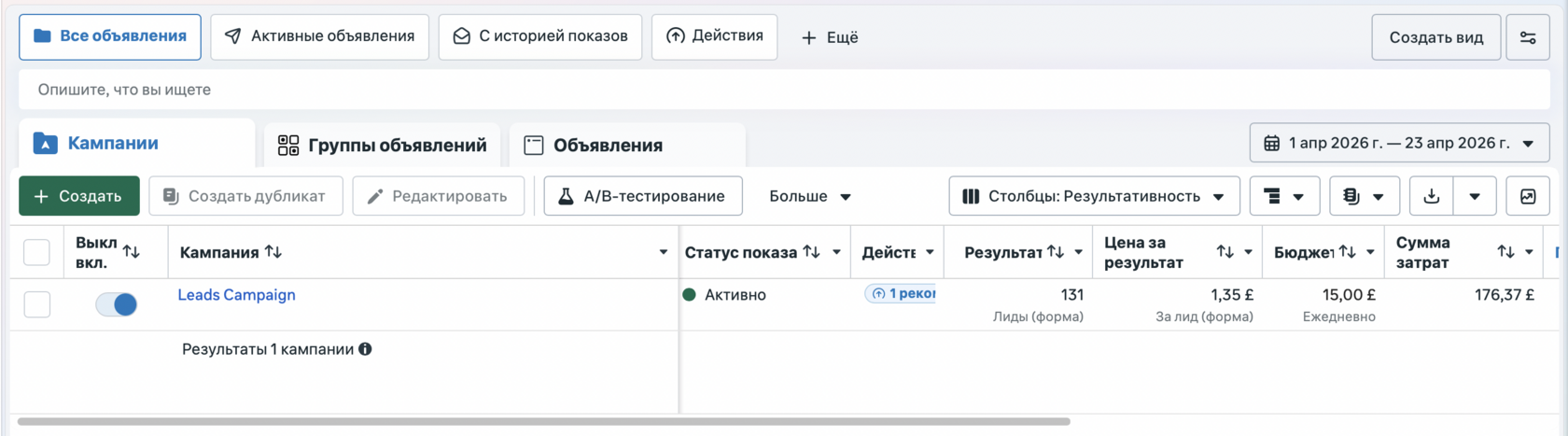
По мере работы мы полностью создали видеоролик с помощью ИИ: придумали сюжет, написали сценарий, сгенерировали визуальный ряд, записали и смонтировали озвучку. Никакой съёмки, никакой студии — только продуманная идея и ИИ-инструменты. За 23 дня апреля 2026 года при дневном бюджете £15 кампания принесла 131 заявку по цене £1.35 за лид.
Для строительного рынка Великобритании это сильный результат — средняя стоимость лида в этой нише составляет от £5 до £20 и выше. Общий бюджет за период составил около £345, при этом каждая заявка — это потенциальный клиент, заинтересованный в садовой комнате стоимостью от £10,000.
131Заявки
23Дня
176,37 £Бюджет за период
1,35 £Стоимость лида
Создание 3Д визуализации
Параллельно с рекламой мы закрыли ещё одну важную задачу — визуализацию.
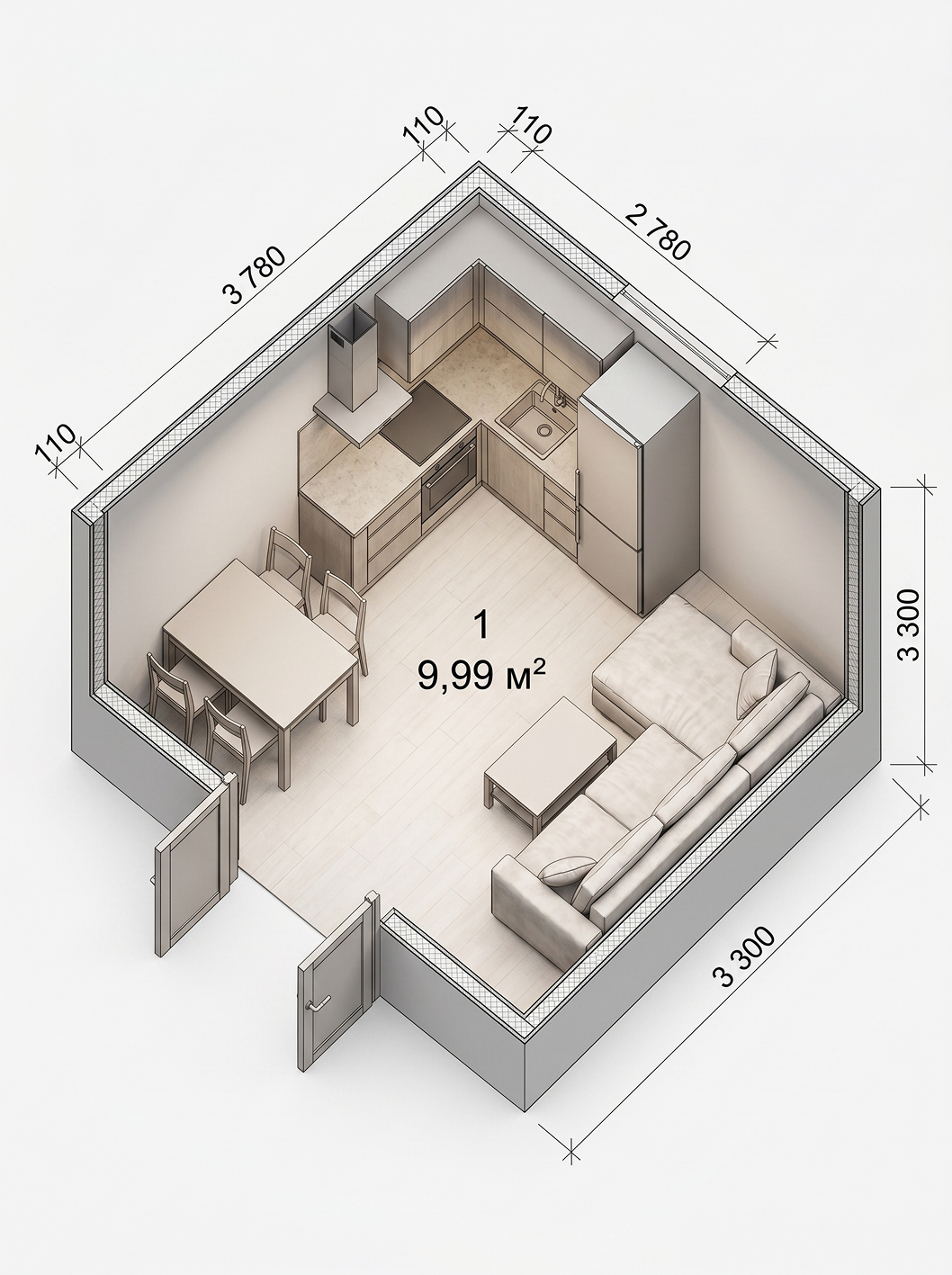
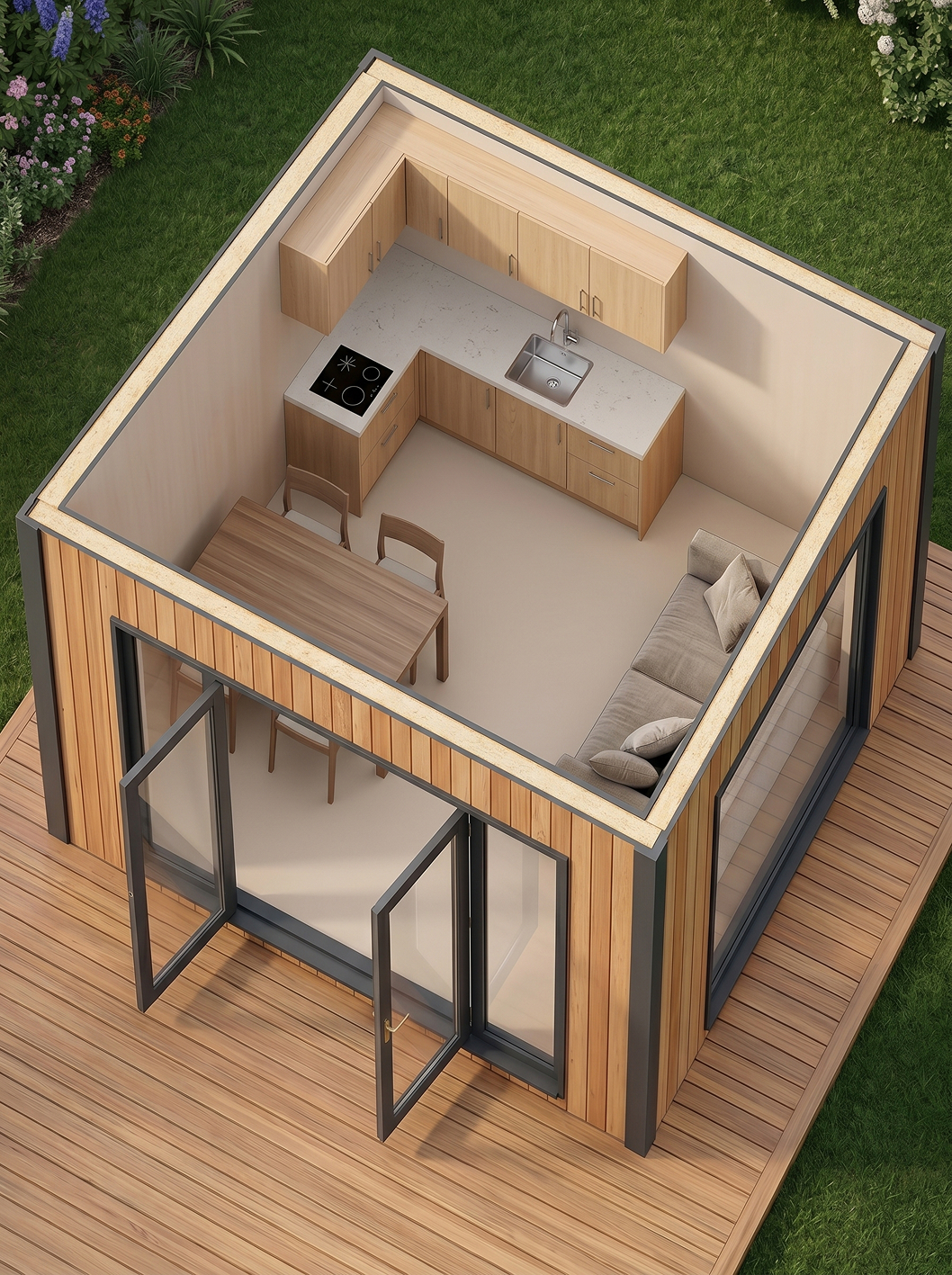
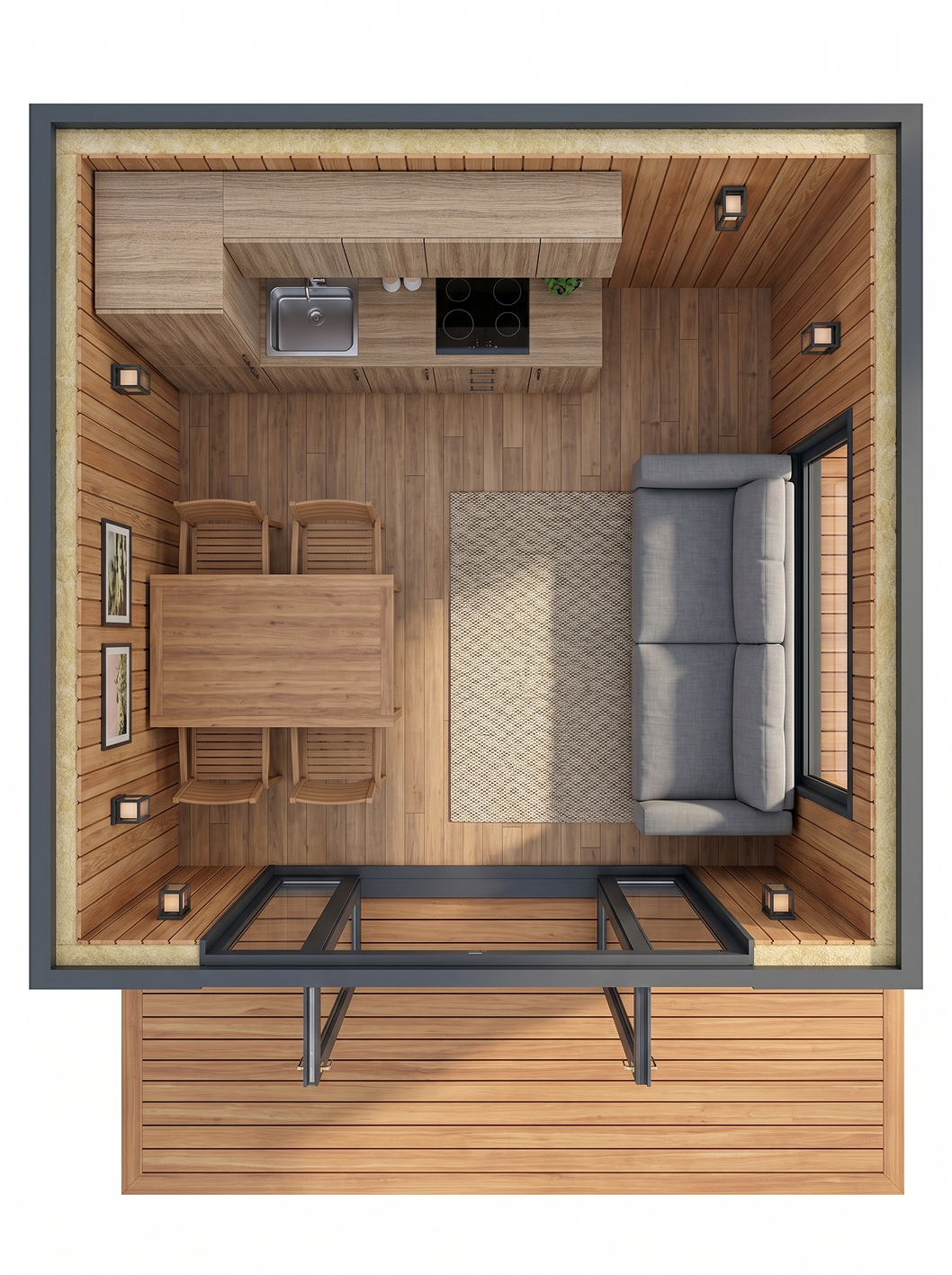
Когда клиент интересуется садовой комнатой, ему сложно представить, как это будет выглядеть на его участке. Мы начали делать 3D-визуализации планов прямо под запрос клиента — с помощью ИИ. Человек описывает, что хочет, мы генерируем готовую картинку: планировка, размеры, внешний вид.
Это убирает главное сомнение на этапе принятия решения — клиент видит свой будущий дом ещё до покупки.
Автоматизация
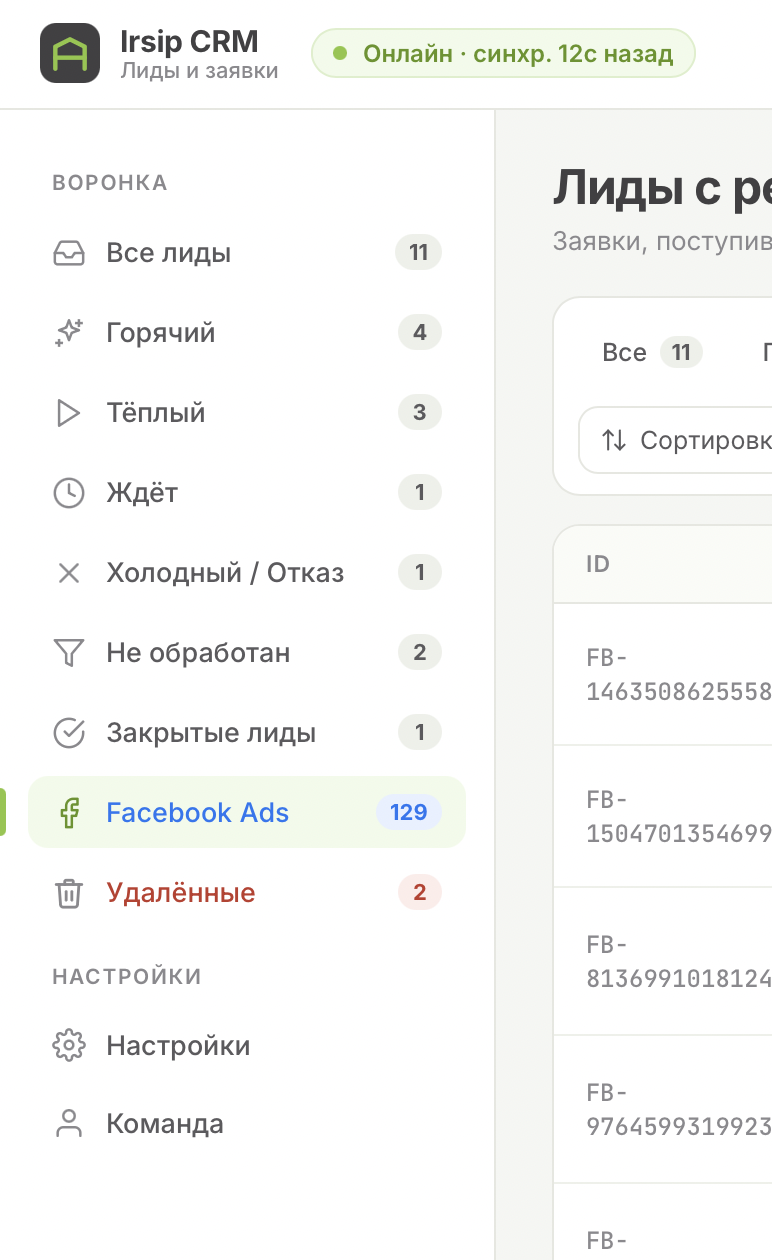
Создание CRM
Одним из первых этапов работы стала разработка CRM-системы под внутренние задачи компании. Вместо использования готовых сторонних решений мы начали создавать собственную CRM для бизнеса, которая учитывает реальные процессы команды и помогает выстроить более удобную и понятную систему работы с клиентами.
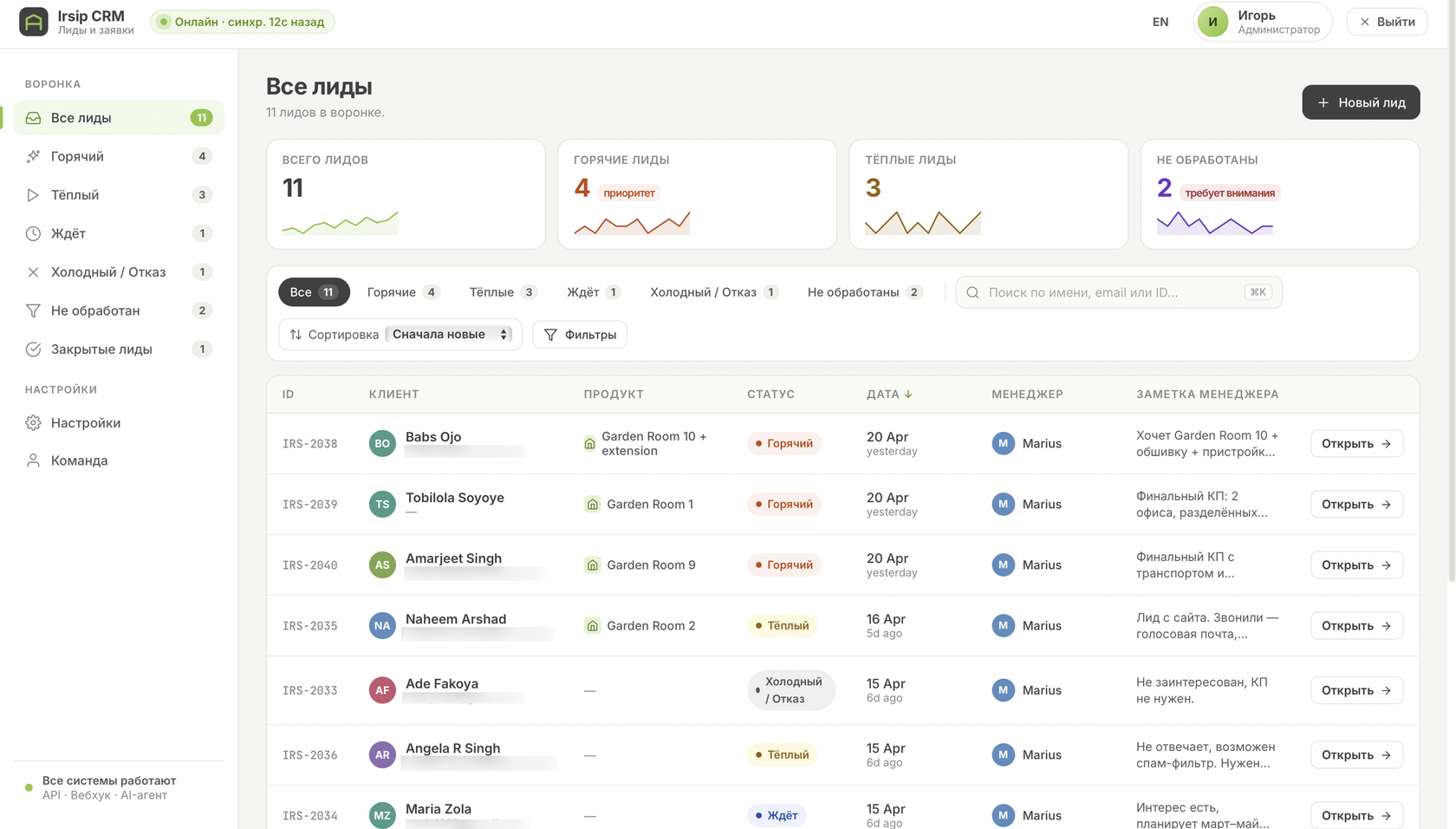
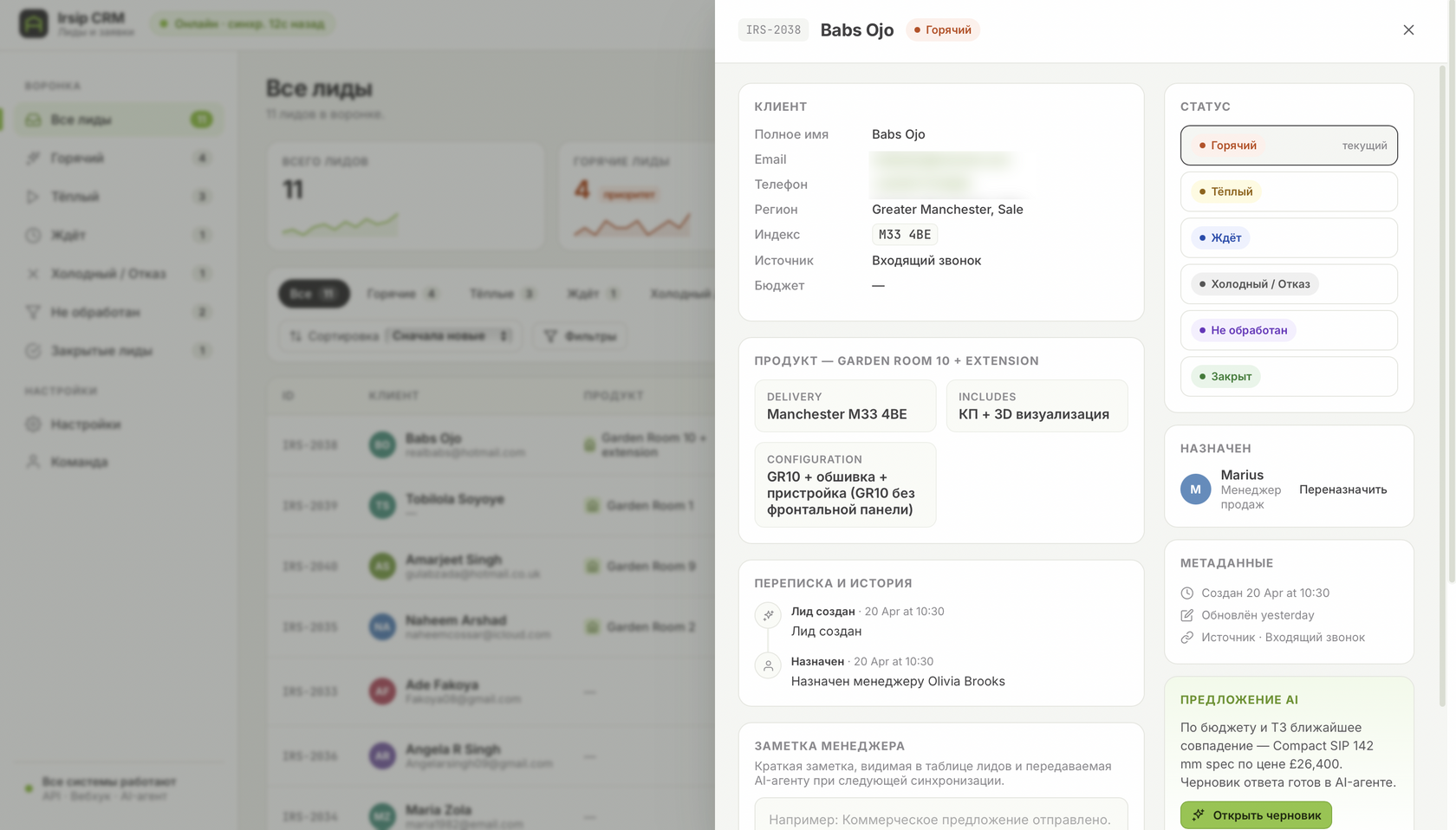
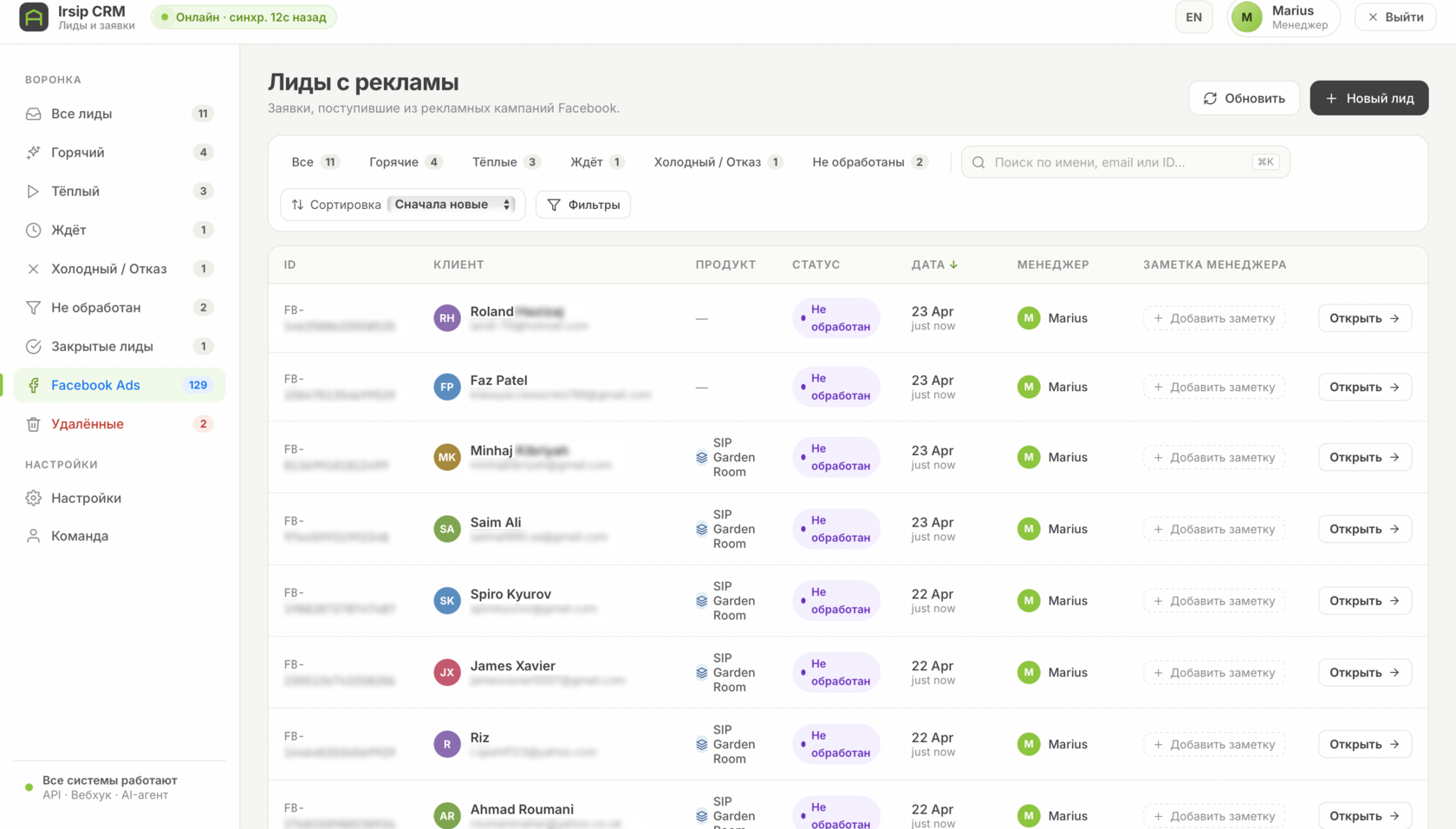
На первом этапе основная задача заключалась в том, чтобы настроить учет заявок в CRM и создать единое пространство, где менеджер может фиксировать всю важную информацию по клиенту. В системе появилась возможность вносить заявки, сохранять контактные данные, добавлять заметки, отслеживать историю взаимодействия и назначать этап клиента — например, горячий, теплый или холодный. Такой подход упрощает управление лидами и делает обработку заявок более структурированной.
С точки зрения автоматизации это стало важным шагом в сторону системной работы отдела продаж. Когда все обращения собираются в одном месте, компания получает более прозрачный процесс, а менеджеры не теряют заявки в мессенджерах, таблицах или сторонних сервисах. Это улучшает автоматизацию заявок, повышает контроль над воронкой и упрощает автоматизацию отдела продаж.
Отдельная ценность проекта заключается в том, что это не шаблонное решение, а собственная разработка CRM-системы, созданная под конкретные задачи бизнеса. Такой формат дает больше гибкости в развитии, позволяет внедрять нужный функционал без ограничений внешних платформ и не зависеть от чужих тарифов, интерфейсов и логики работы. В результате компания получает инструмент, который становится частью общей автоматизации бизнес-процессов и может масштабироваться вместе с ростом проекта.
Автоматический захват лидов из Facebook
На следующем этапе автоматизации мы подключили CRM систему к рекламным кампаниям в Facebook.
Компания запустила Lead Ads — рекламу с встроенной формой заявки прямо внутри Facebook. Раньше все лиды с этой рекламы оседали в рекламном кабинете Meta, откуда их нужно было вручную выгружать, копировать и переносить в таблицы. Это создавало задержку: менеджер узнавал о новом лиде спустя часы, а иногда и на следующий день.
Мы настроили автоматическую связку: как только потенциальный клиент заполняет форму в Facebook — его данные (имя, телефон, email) мгновенно попадают в CRM систему без какого-либо ручного участия. Лид появляется в системе со статусом «Не обработан» и автоматически назначается на менеджера. Администратор при необходимости может переназначить заявку на другого сотрудника прямо внутри CRM.
Это полностью убрало ручной этап переноса данных и сократило время реакции на новый лид с нескольких часов до нескольких секунд.
Что изменилось:
Лиды с Facebook рекламы попадают в CRM моментально — без ручного переноса
Менеджер видит новую заявку сразу и может обработать её пока клиент ещё «горячий»
Вся история работы с клиентом хранится в одном месте: от первого касания до закрытия сделки
Администратор контролирует распределение заявок между менеджерами в реальном времени
Таким образом, рекламный бюджет начинает работать эффективнее — каждый лид гарантированно попадает в воронку и не теряется на этапе передачи данных.
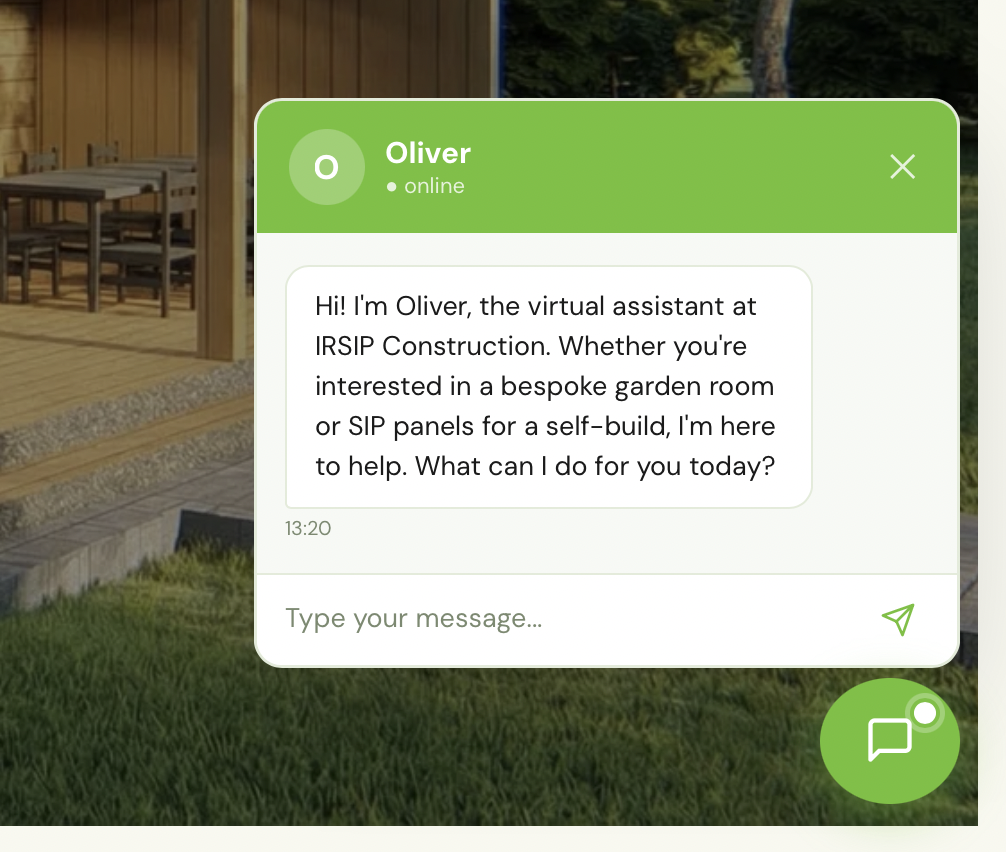
ИИ-ассистент Оливер
После того как реклама начала стабильно приносить заявки, появилась новая проблема: количество обращений выросло настолько, что менеджер физически не успевал обрабатывать каждое из них вовремя. Часть людей просто хотела узнать цену или уточнить детали — и на такие консультации уходило столько же времени, сколько на работу с реально заинтересованным клиентом.
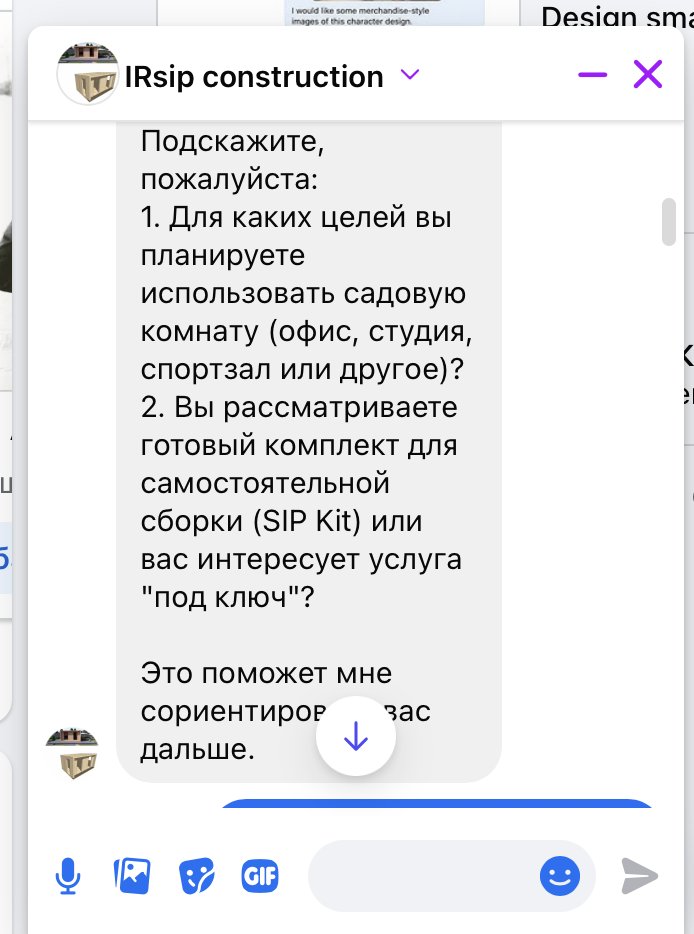
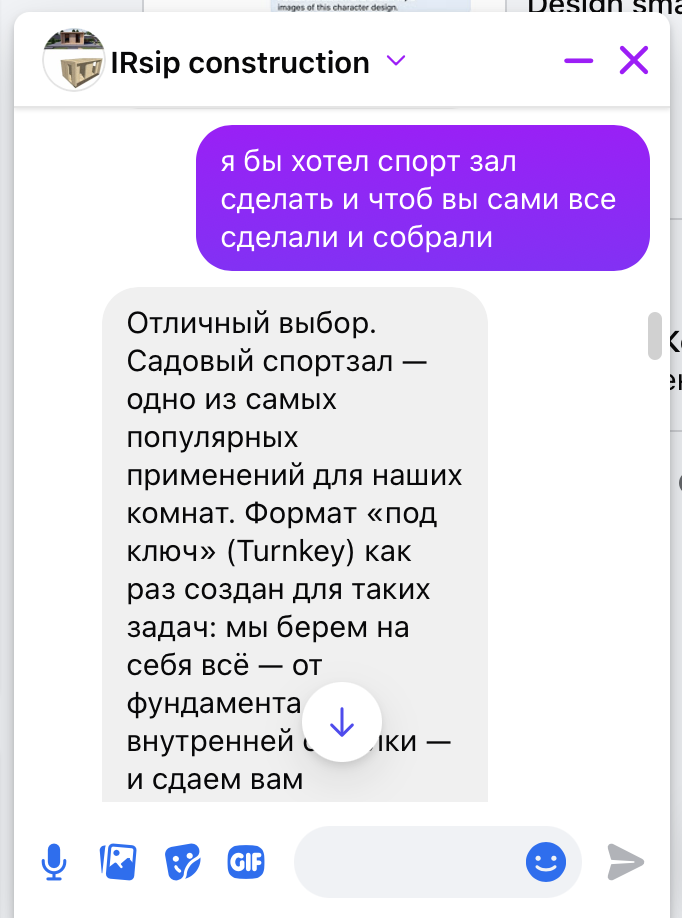
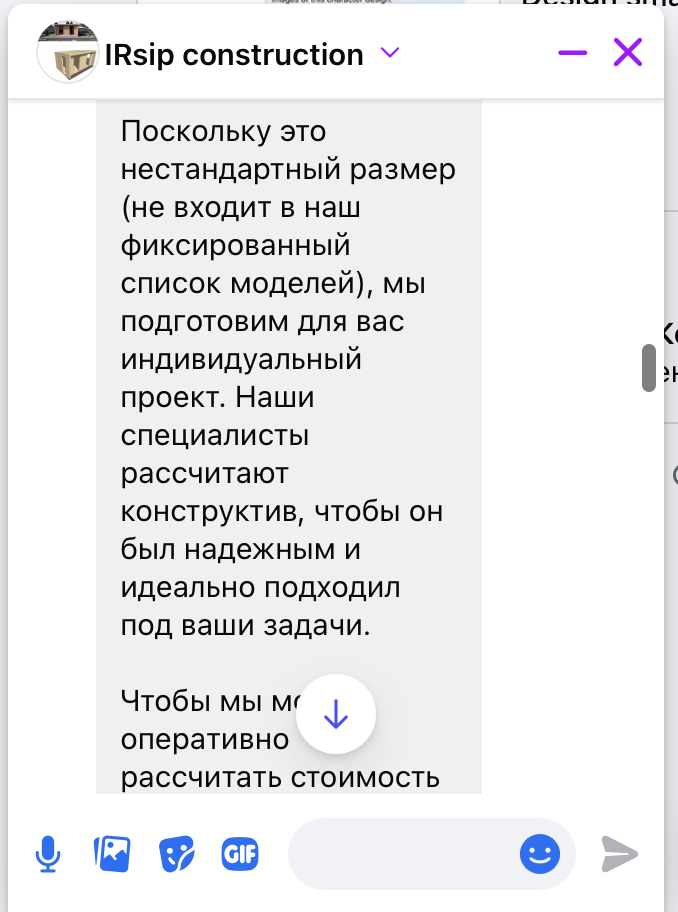
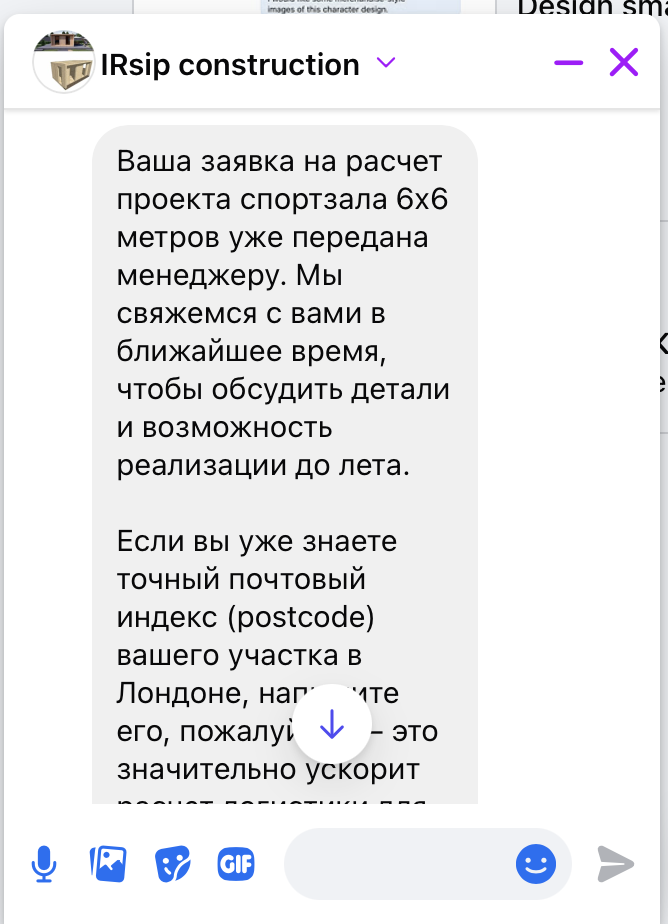
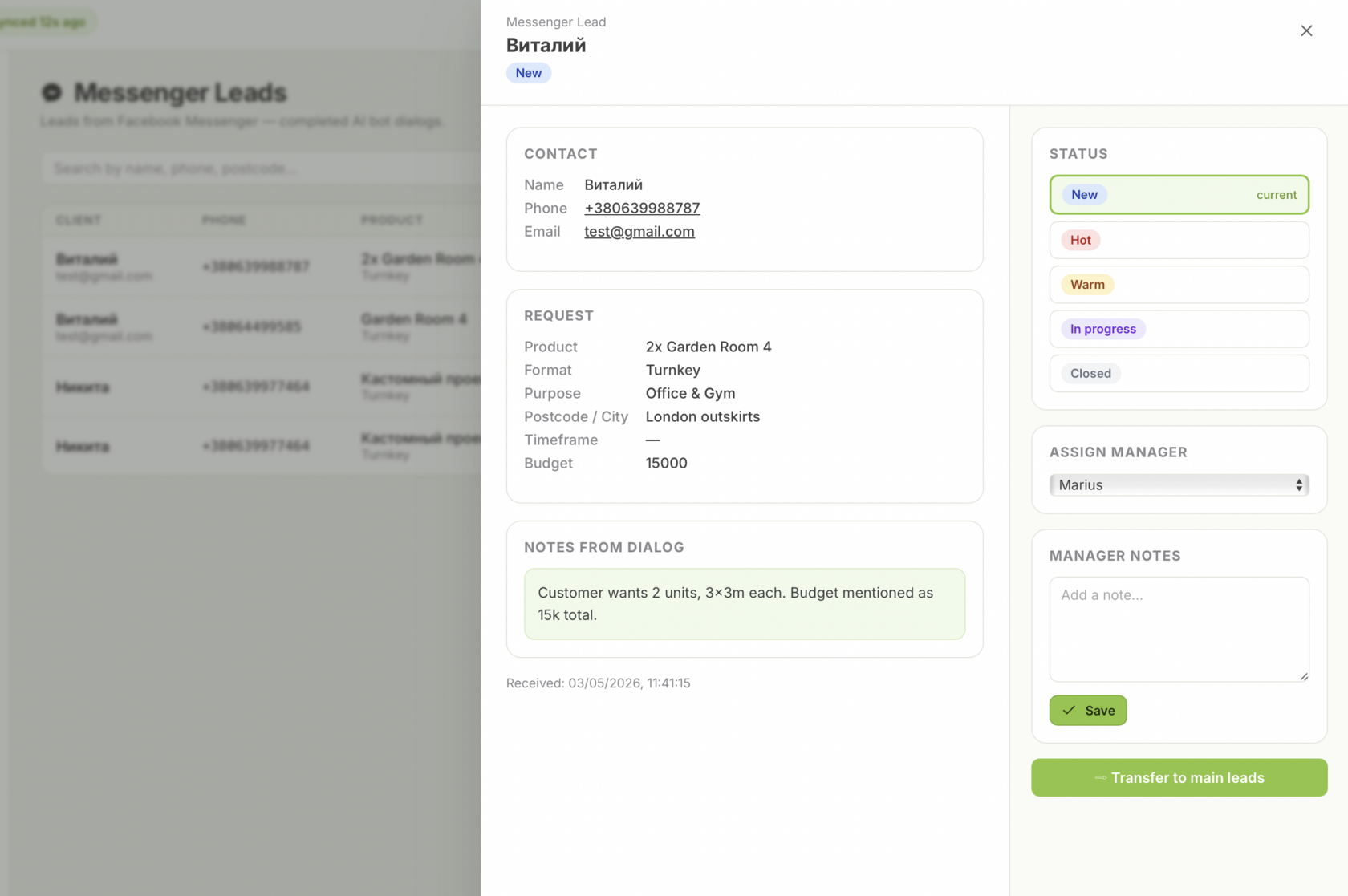
Решением стало создание ИИ-ассистента Оливера — обученного на всей базе знаний о бизнесе: ценах, моделях садовых комнат, условиях строительства, характеристиках SIP-панелей, сроках и процессе работы. Оливер умеет не просто отвечать на вопросы — он ведёт диалог, консультирует, выясняет потребности клиента и в финале передаёт менеджеру полноценную структурированную заявку: что хочет клиент, о чём договорились, адрес объекта, сроки, пожелания по планировке.
Что умеет Оливер:
Консультирует по всему ассортименту — цены, модели, характеристики, процесс
Работает 24/7 без выходных и перерывов
Отвечает на нескольких языках — английский, русский и другие
Квалифицирует клиента и отсеивает нецелевые обращения
Передаёт менеджеру готовую заявку с полной информацией по клиенту
Таким образом менеджер получает не поток сырых обращений, а готовых к разговору клиентов — тех, кто уже прошёл первичную консультацию и реально заинтересован в покупке.
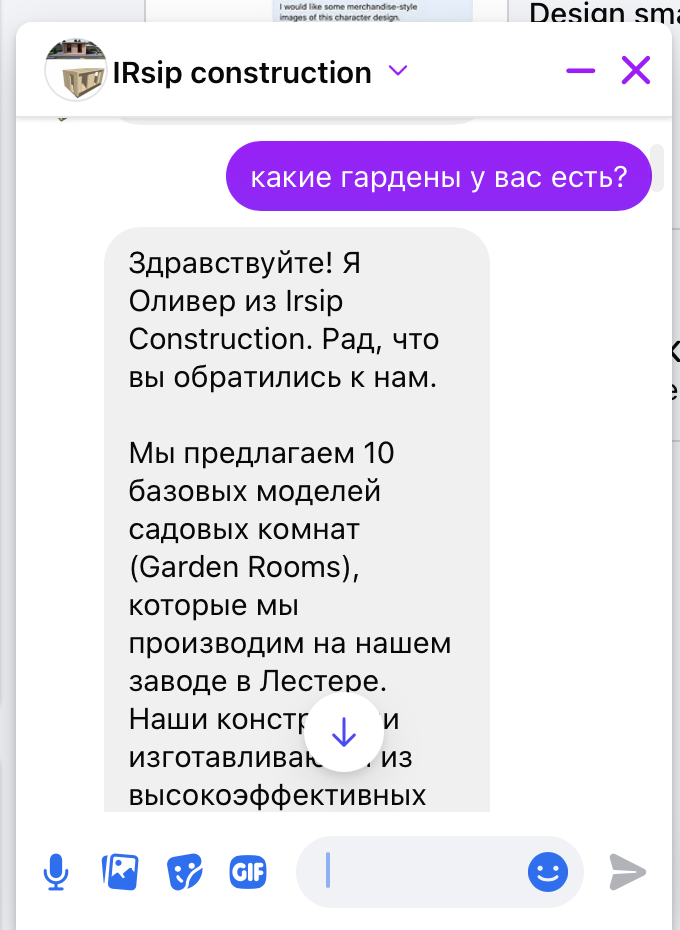
Подключение Оливера в Facebook Messenger
Следующим шагом стала интеграция ИИ-ассистента в Facebook Messenger. Теперь когда реклама приводит людей на страницу компании и они пишут в директ — с ними сразу начинает общаться Оливер. Без задержек, без ожидания, в любое время суток.
Это особенно важно в связке с рекламой: человек пишет в момент максимального интереса — сразу после просмотра ролика. Если ответ приходит через несколько часов, интерес уже остыл. Оливер отвечает мгновенно и удерживает внимание пока клиент ещё «горячий».
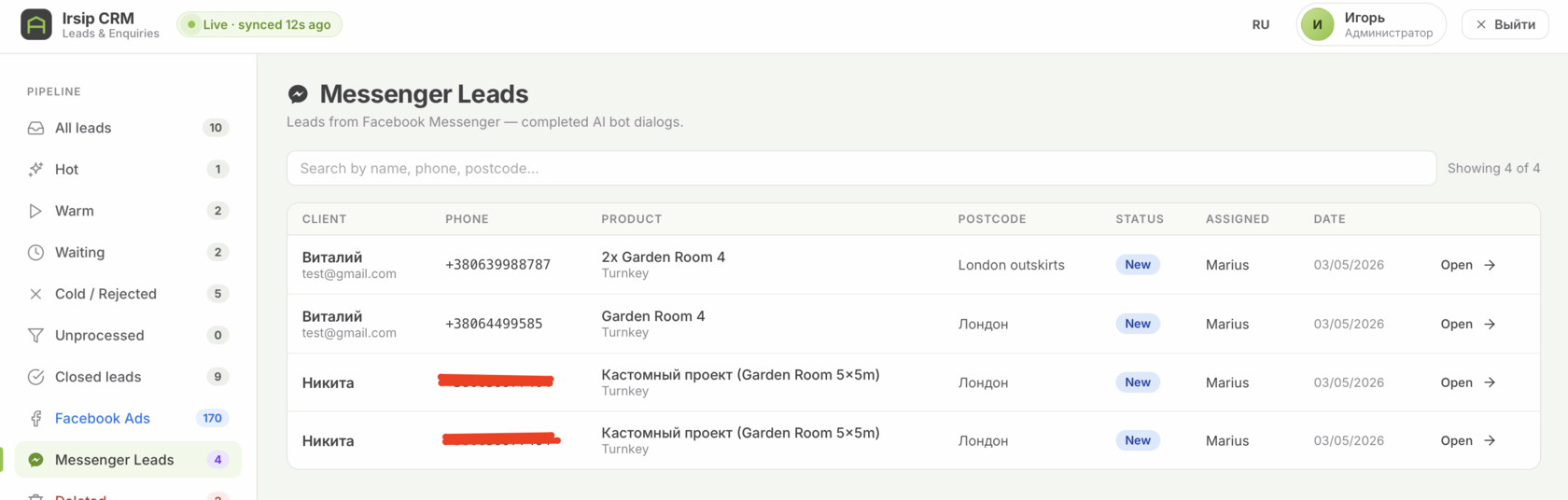
Новый раздел CRM — лиды из Facebook Messenger
Параллельно мы доработали CRM-систему: добавили отдельную вкладку куда автоматически попадают все заявки которые Оливер собирает через Facebook Messenger. Менеджер видит всё в одном месте — и лиды с Facebook Lead Ads, и заявки из Messenger — без переключения между платформами и без риска что-то упустить.Параллельно мы доработали CRM-систему: добавили отдельную вкладку куда автоматически попадают все заявки которые Оливер собирает через Facebook Messenger. Менеджер видит всё в одном месте — и лиды с Facebook Lead Ads, и заявки из Messenger — без переключения между платформами и без риска что-то упустить.
Что это даёт:
Все обращения из разных каналов собраны в единой системе
Менеджер видит полную картину воронки в реальном времени
Ни одна заявка не теряется — даже если написали в три часа ночи
Оливер берёт на себя первичную коммуникацию, менеджер подключается только к тёплым лидам