IRSIP Construction
IRSIP Construction is a UK manufacturer of SIP panels and garden rooms. The product is technical, orders start at £10,000, and customers take their time to decide. The goal was to build a steady flow of leads and stop losing them along the way. We built a multi-page website with open pricing, connected the CRM module to the ads, launched AI video and put an AI agent in Messenger.
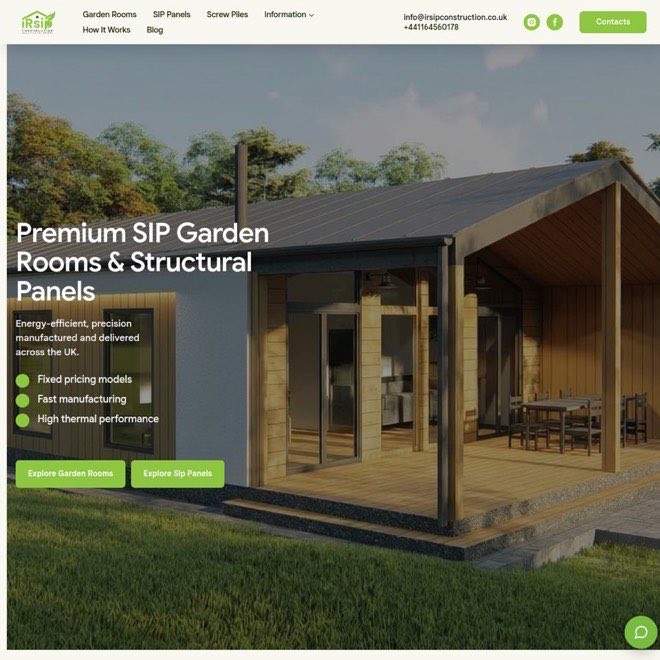
Ten models, prices in plain view
A garden room is a separate building in the back garden: an office, a bedroom, a workshop. In the UK people buy them readily, but finding out the price takes a long time. Almost every manufacturer hides it behind a “request a quote” form.
For IRSIP we built a multi-page website and put the prices out in the open. Ten ready-made models, each with a fixed price. The sections are straightforward: Garden Rooms, SIP Panels, Why Irsip, What's Included, How It Works, FAQs, contacts. Their own production in the UK, CNC cutting, thermal performance figures: all placed where visitors can see them.
The enquiry form asks for a name, email, phone, postcode, what the room is for and when the build is planned. The postcode matters more than it seems: it shows straight away whether the crew will travel there or not. A separate block, “Speak with our manager”, is for people who would rather ask by phone.
The banner that brought nobody in
Next we needed to test the advertising. The first attempt was a static banner: the image was generated with AI and finished by hand in Photoshop. A neat garden room on a well-kept lawn.
It brought no leads. Not one.
We did not try to fix the banner. We made a video instead, again entirely with AI tools. No studio, no film crew: storyline, script, generated visuals, voiceover, editing. In plain words, it explained how a finished room grows out of SIP panels in the back garden within a few days.
The first week, on a budget of $10 a day, $70 in total, brought 16 leads. Around $4.40 per lead, without a single campaign optimisation.
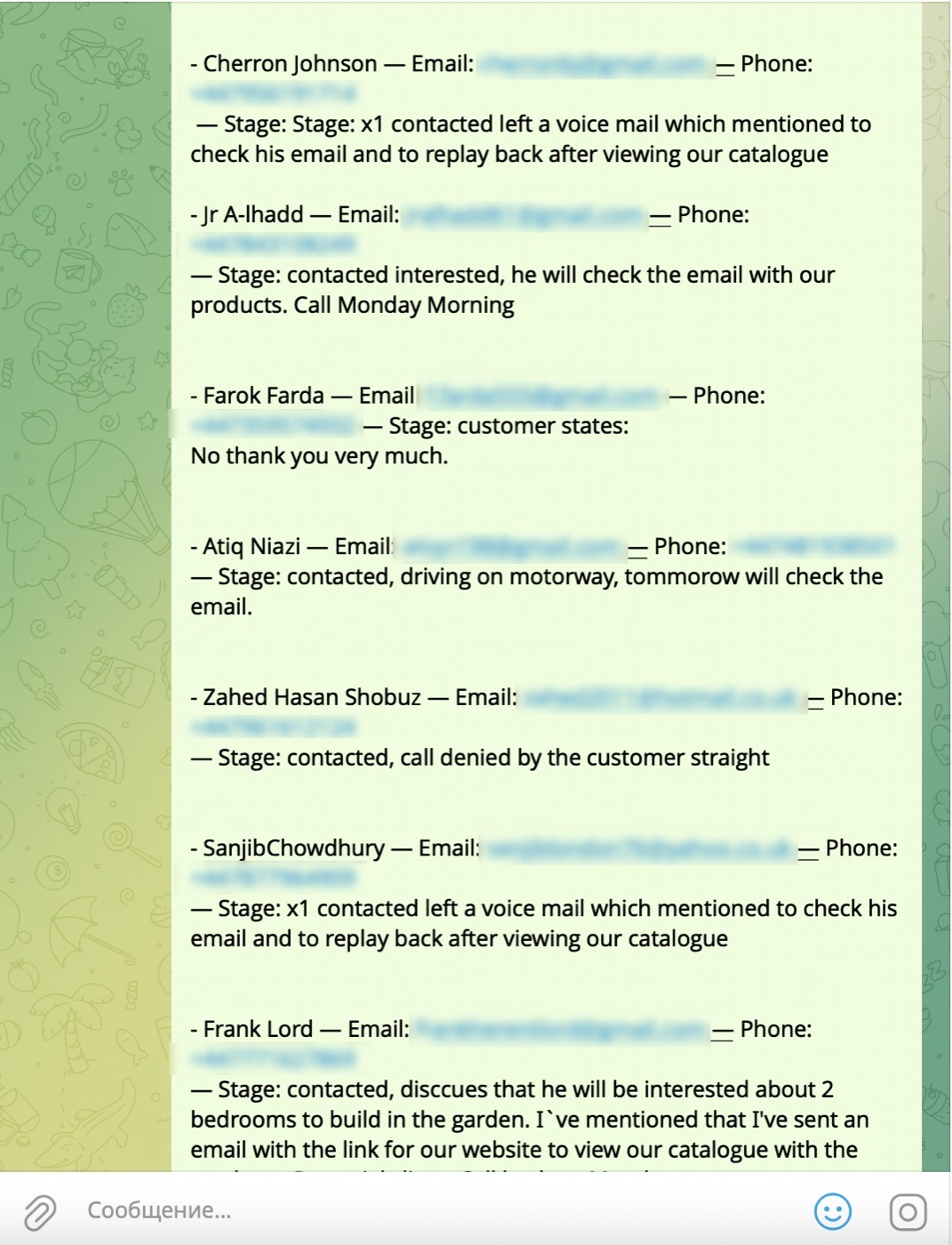
The manager called every one of them. Some did not pick up, some declined, the usual funnel. But one wanted an open-plan room in Manchester, another was discussing two bedrooms in the garden, and several more asked for the catalogue and arranged a call back.

Working from the bedroom
A picture shows the product. A video shows the person who needs it, and that turned out to be the only difference that changed anything.
The second video was built around a real person's story. The script was written from scratch: a hook in the first seconds, a first-person narrative, the path from problem to solution.
Viewers recognise the opening instantly. A laptop on the bed, a call in the kitchen, family all around, nowhere to shut the door. Then the solution: fixed prices, ten models, installation in a few days, no planning permission needed. At the end, a prompt to message and get the catalogue.
Fifty seconds. No grand words.
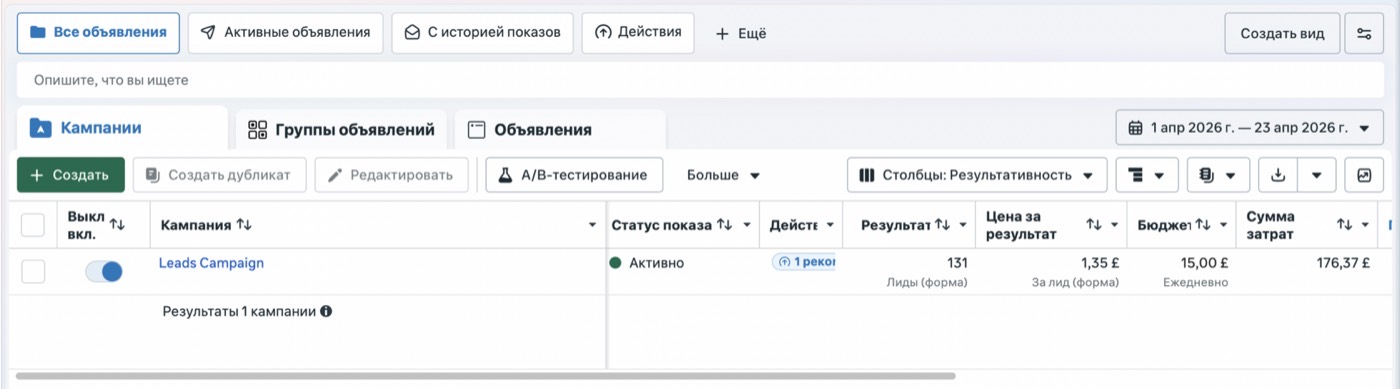
Over 23 days in April 2026, on a budget of £15 a day, the campaign brought 131 leads at £1.35 per lead. For UK construction that is a lot: the average cost per lead in the niche runs from £5 to £20 and higher. And a garden room starts at £10,000.
The room that does not exist yet
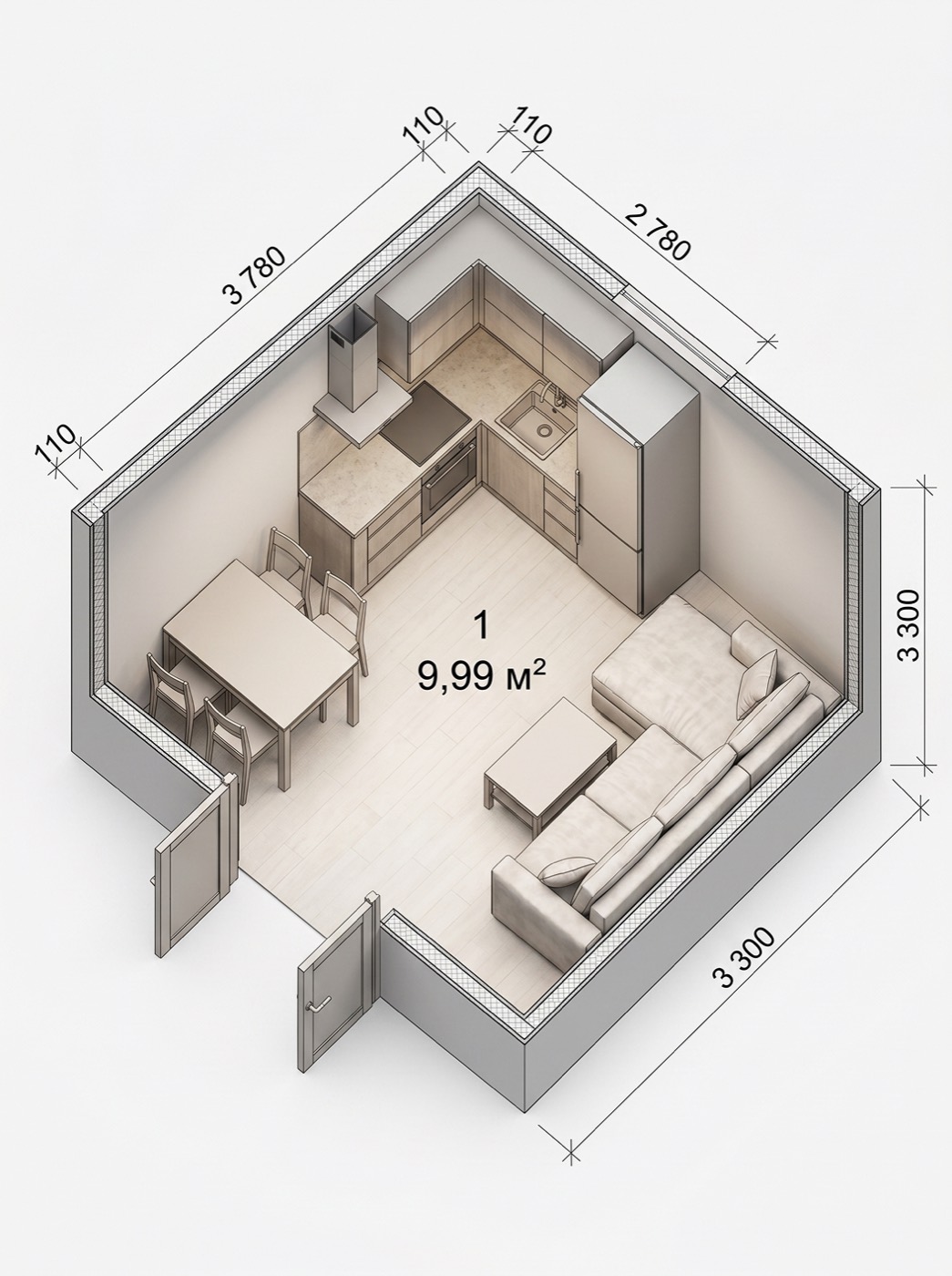
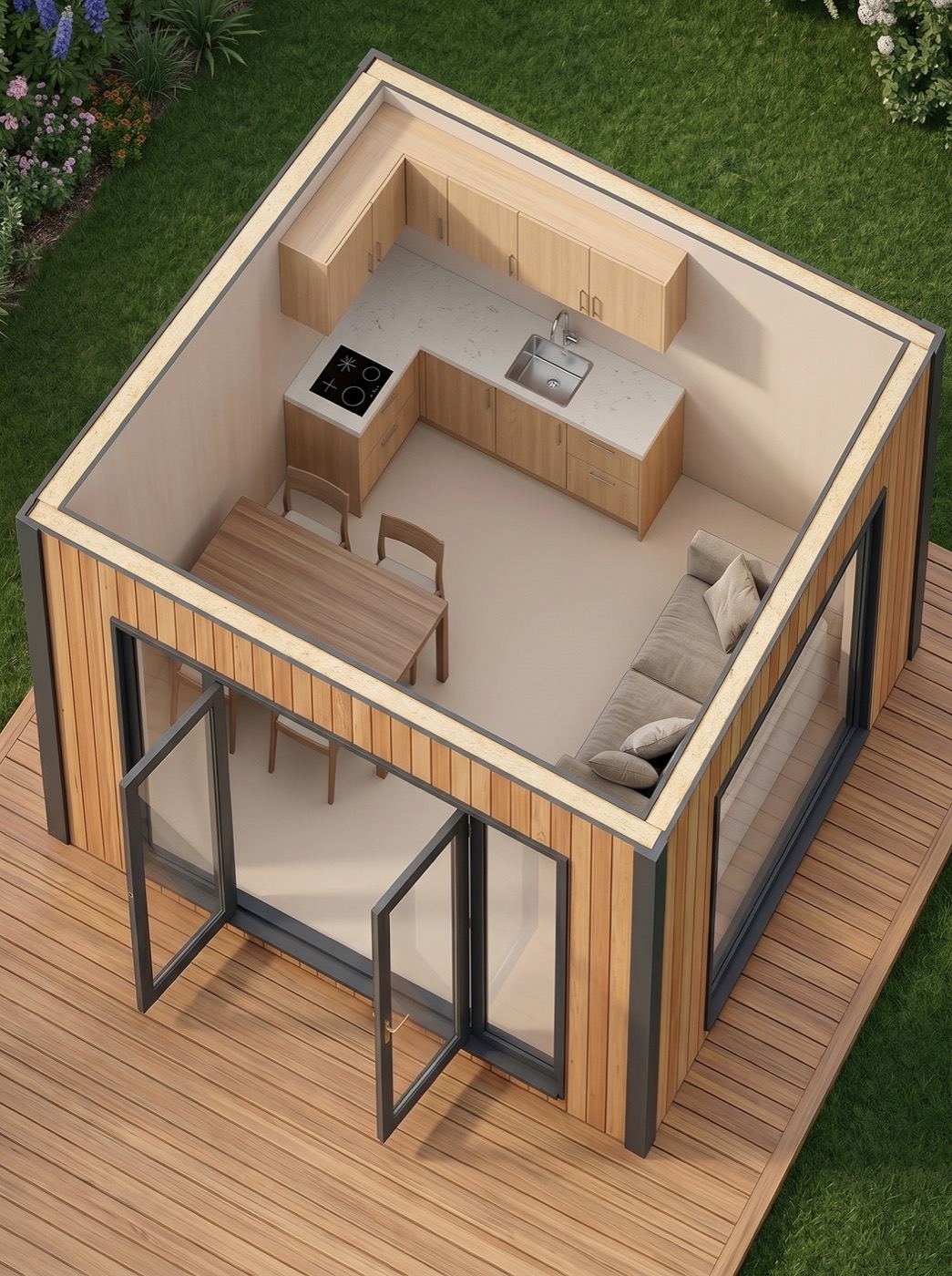
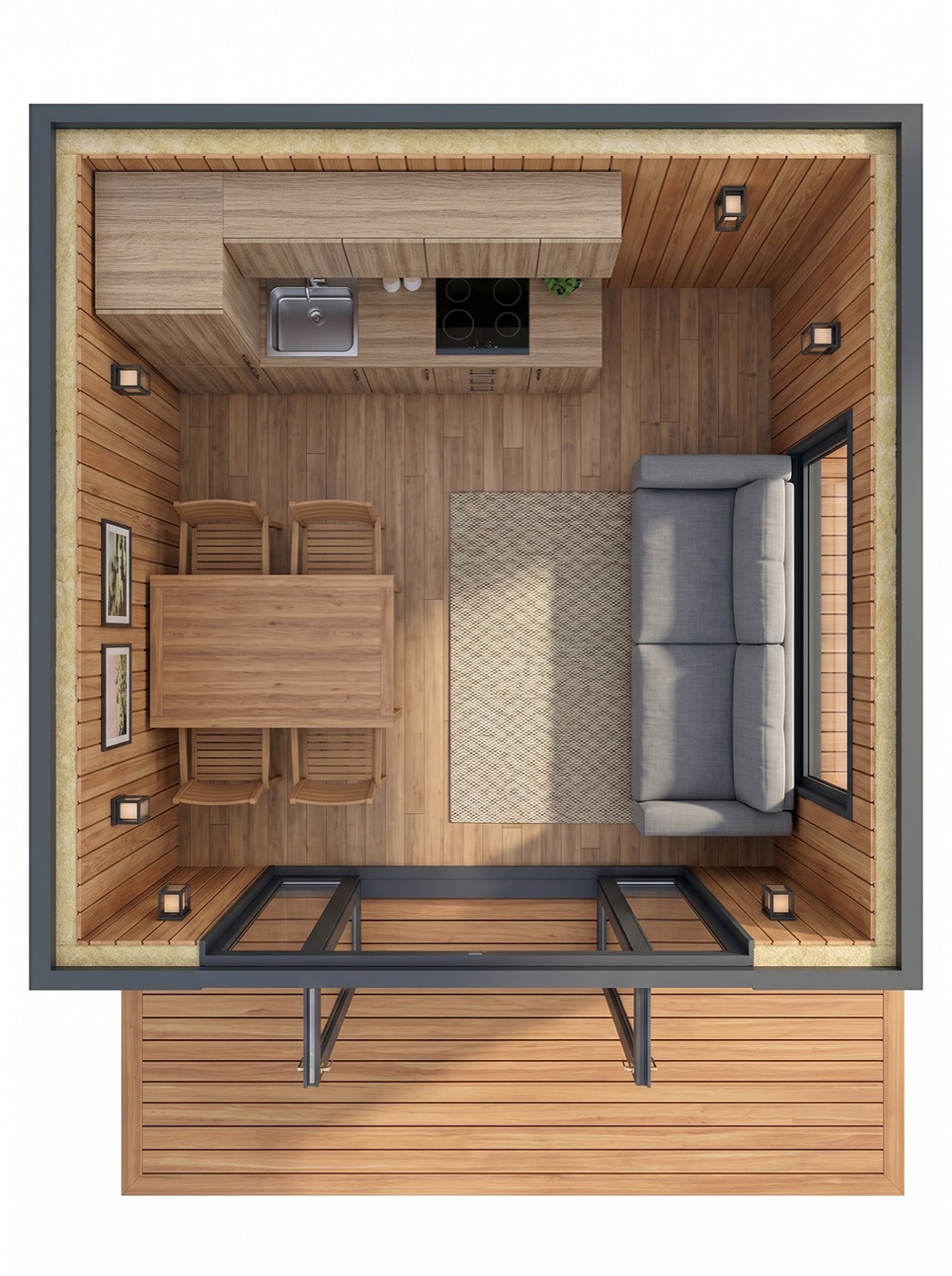
In parallel we closed a separate doubt. A person reads about a model, sees the price, and still cannot picture the building behind their own house.
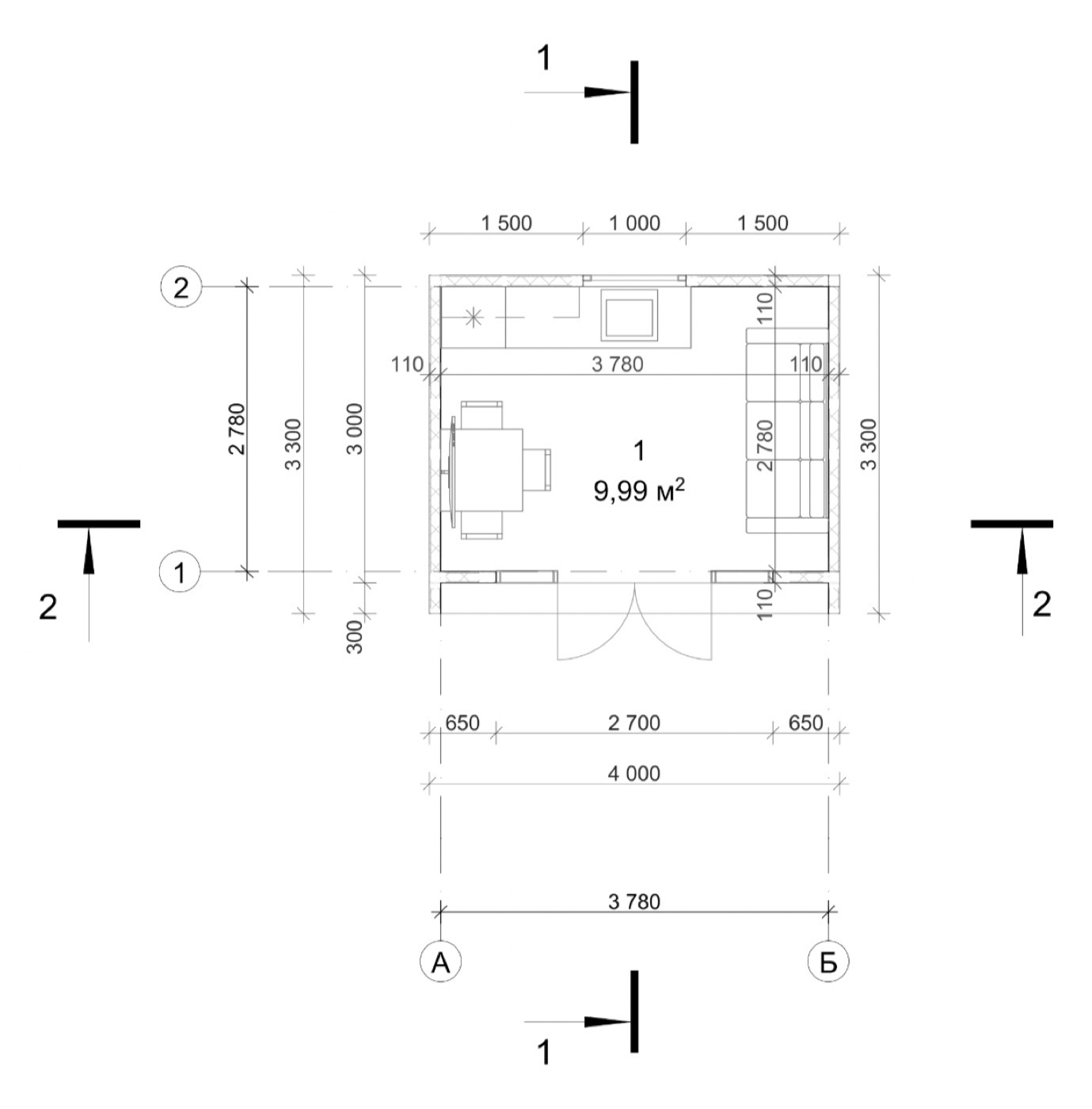
We started producing 3D visualisations for specific requests. The customer describes what they want: dimensions, layout, which way the windows face. We generate the image with AI and send it to them.
From then on the conversation is not about garden rooms in general, but about their garden room.
The lead that waited until tomorrow
With the ads came volume, and the bottleneck became visible. Lead Ads collected enquiries right inside Facebook, but they sat in the Meta ads manager. From there they were exported by hand and copied into spreadsheets. The manager found out about a new lead hours later, sometimes the next day.
We connected the CRM module and linked it to the ads directly. A person fills in the form on Facebook and the lead appears in the system within seconds, with the status “unprocessed” and an assigned manager. Manual data entry disappeared as a step.
From there it is the module's everyday work: leads on a board by stage, a customer card with history and notes, a clear view of who owns each lead and how long it has been waiting. Nothing had to be developed specifically for the project: we set it up for their funnel and switched it on.
Oliver
Then the next link broke. There were so many leads that the manager physically could not keep up. Half the enquiries were “how much does it cost” and “how long does it take”, and each of those took as much time as a real buyer.
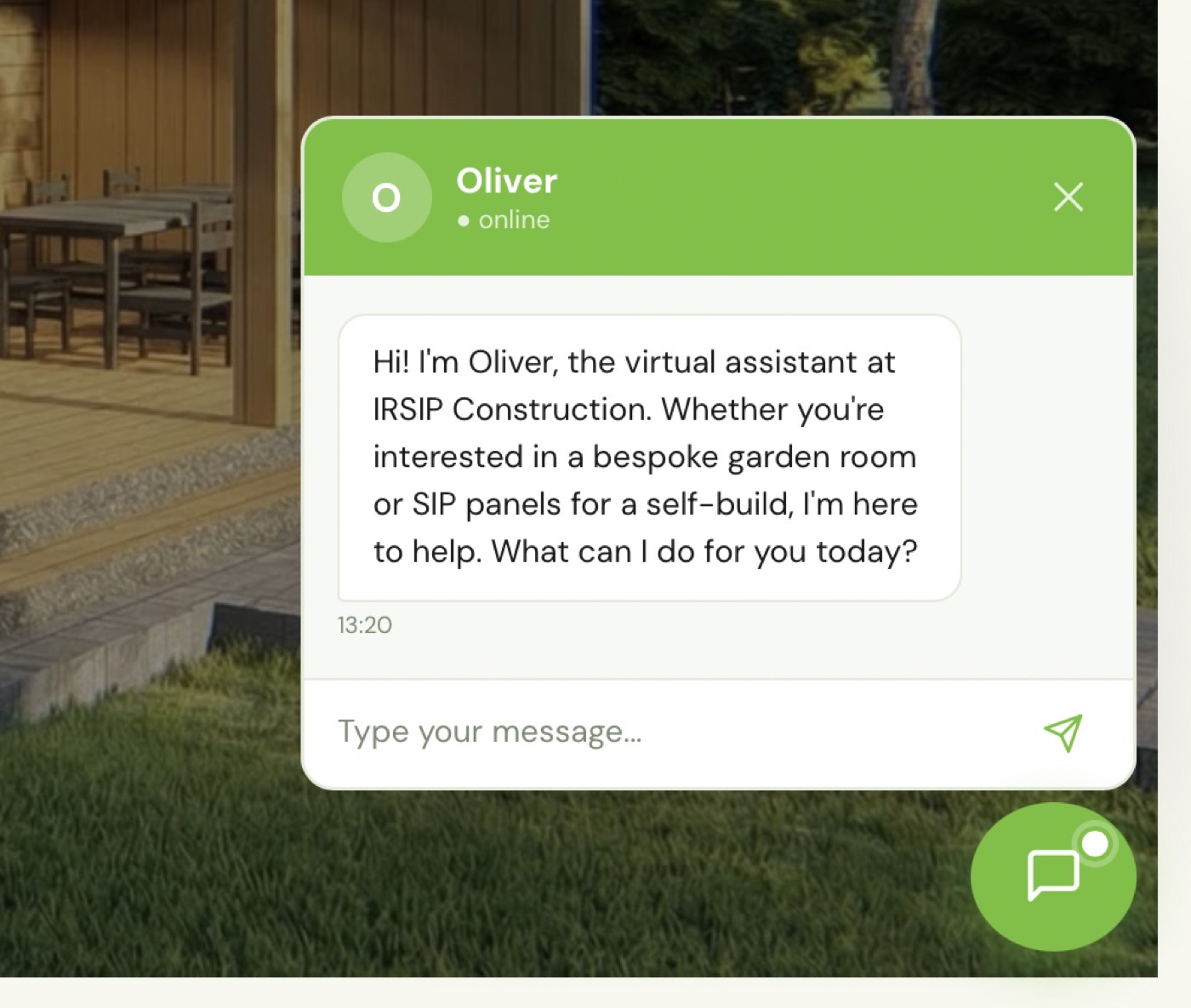
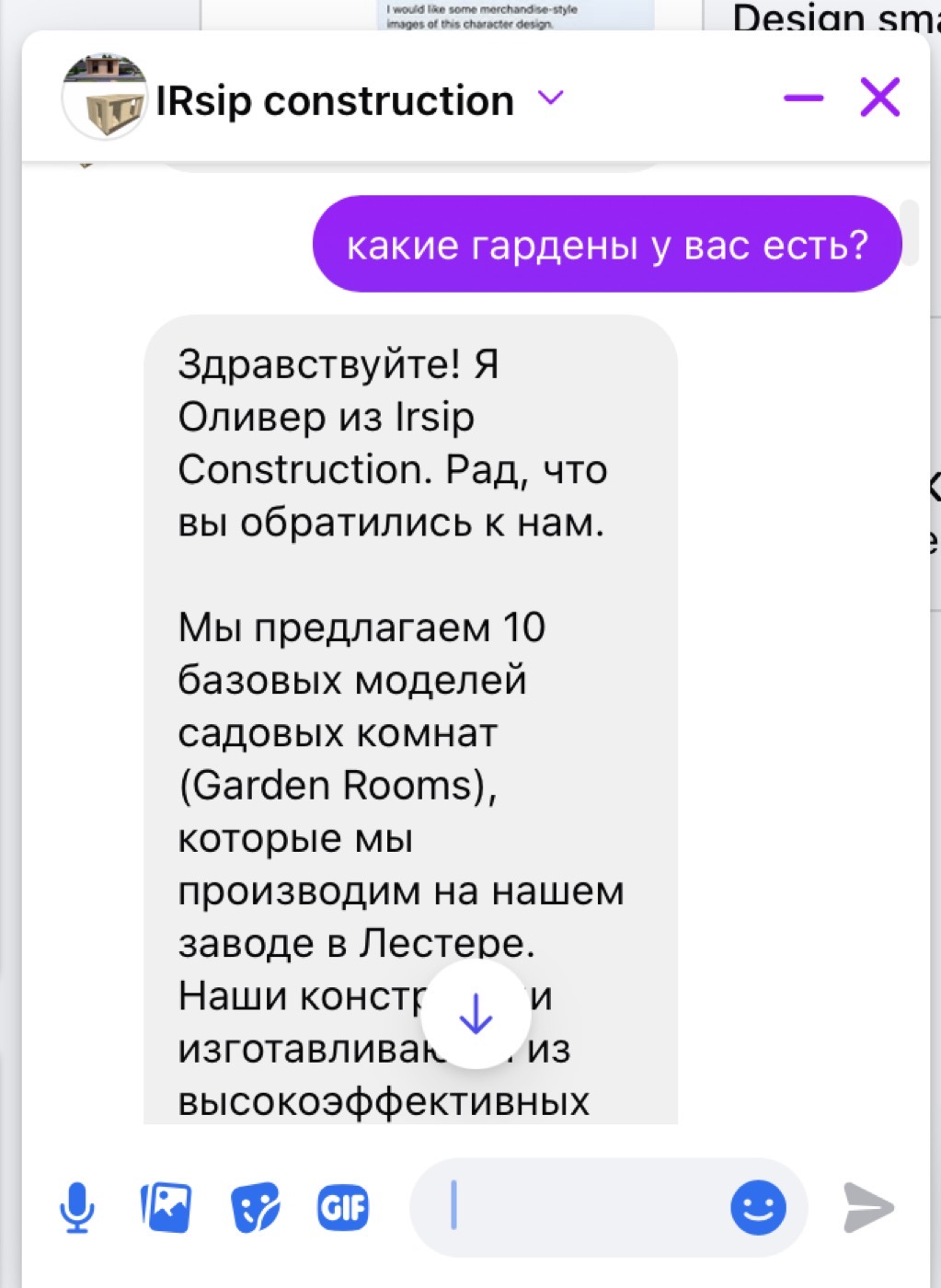
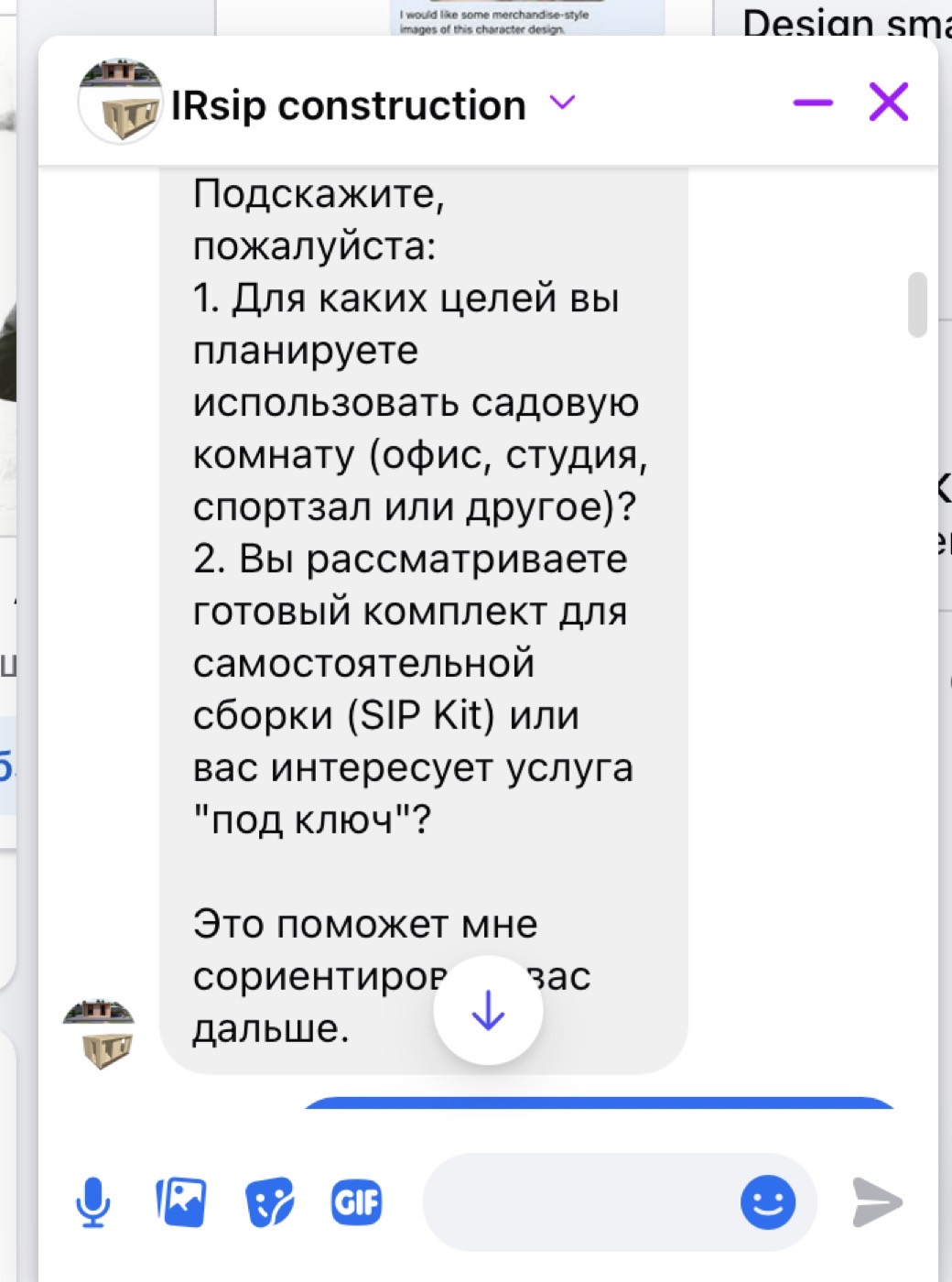
We trained an AI assistant, Oliver, on the company's knowledge base: prices, models, SIP panel specifications, build conditions, timelines, the order of work. Oliver does not answer with canned replies. He holds a conversation, finds out what the person needs and at the end hands the manager a complete lead: what the customer wants, what was agreed, the site address, timing, layout preferences.
- works around the clock, weekends included
- speaks English, Russian and the customer's other languages
- filters out enquiries that are not a fit
Then we connected him to Facebook Messenger. This matters specifically in combination with the ads: a person messages right after the video, at the peak of interest. Three hours later the interest is gone. Oliver replies at once.
In the CRM we added a separate tab for leads from Messenger. The manager sees both streams in one window, Lead Ads and conversations, without switching between platforms.

What stays with a person
Now, honestly, about the limits. Oliver does not sell garden rooms. He takes the first line and the routine off the manager's hands, while a ten-thousand-pound deal is still discussed between people: over the phone, with a site visit, with questions about access and ground conditions.
A lead for £1.35 is not a sale yet, it is the start of a conversation. From there it is up to the manager: how quickly they call back, what they say, whether the catalogue goes out the same day.
We made sure that by the time of that call it is already clear who to call and what about.
Tell us about your business and we will show you what could be built for your needs.
Discuss a projectWe do not build “one more website”. We put AI into how a business runs: leads stop getting lost, routine goes to automation, the numbers grow.